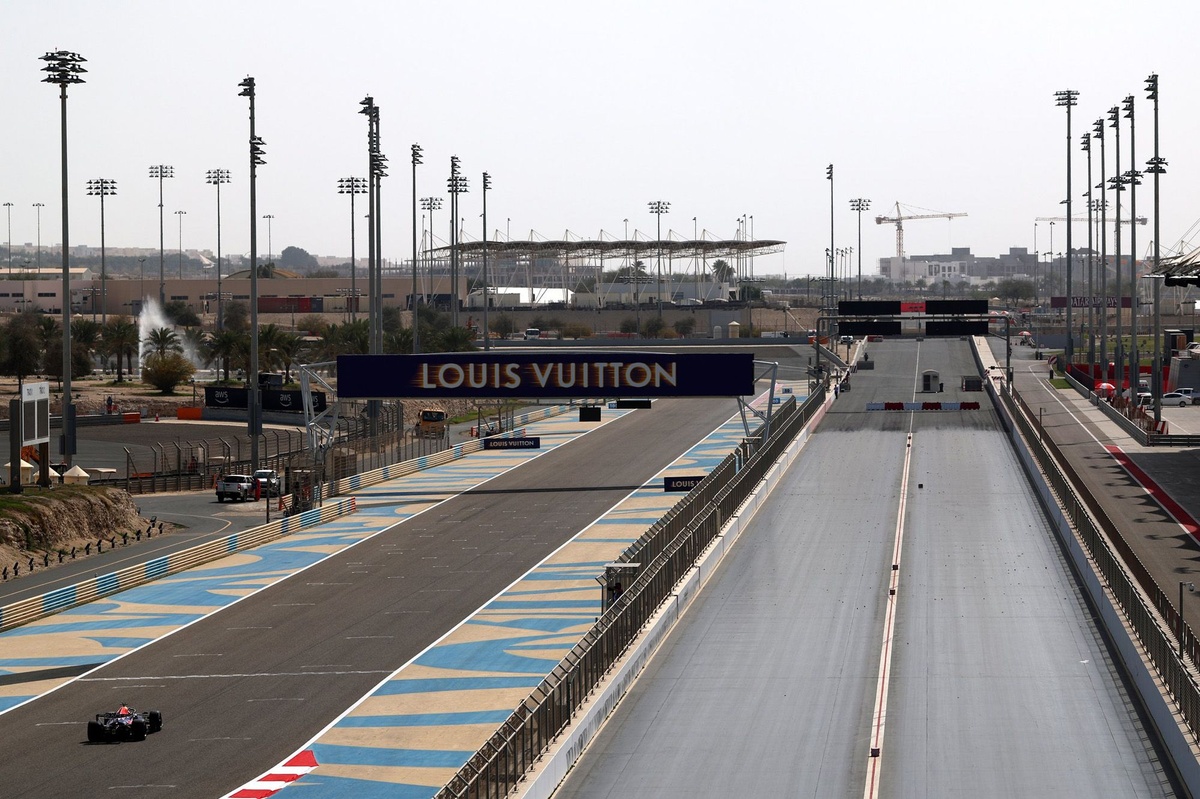
The second week of Formula 1 testing in Bahrain is set to commence, marking the final phase of pre-season preparations before the 2026 season officially begins. Teams will be utilizing these days to fine-tune their cars, gather crucial data, and assess performance under various conditions.
During this period, attention will be on several key areas. First, teams will focus on evaluating new aerodynamic components and their impact on downforce and drag. This involves extensive testing of wing configurations and bodywork modifications to optimize speed and stability on the Bahrain circuit.
Another critical aspect is power unit reliability and efficiency. Teams will push their engines to their limits to ensure durability and performance consistency, especially under high-stress conditions. Monitoring fuel consumption and thermal management will be vital to avoid issues during race weekends.
Driver feedback remains essential in this phase. Teams will analyze driver input to refine car handling, braking, and steering characteristics. This subjective data helps engineers make precise adjustments to improve overall performance and driver comfort.
Additionally, teams will conduct long-run simulations to assess tire wear and degradation over race distances. This information is crucial for strategizing pit stops and tire management during actual races.
Throughout the week, teams will also test new software updates and sensor systems designed to enhance data collection and real-time decision-making. These technological advancements aim to give teams a competitive edge in the upcoming season.
Media and fans will be watching closely for any surprises or standout performances from drivers and teams. The testing sessions offer a glimpse into the potential competitiveness of the field and highlight areas where teams may have gained or lost an advantage.
As the Bahrain testing concludes, teams will analyze all gathered data to finalize their setups and strategies for the season opener. The insights gained during this week will be instrumental in shaping their approach for the upcoming races, making it a critical period for everyone involved in Formula 1.